With Grand Theft Auto VI finally hitting shelves today, millions of players are stepping into a massive virtual world—and, right on cue, familiar headlines are resurfacing about what video games do to our minds.
Whenever a major blockbuster game launches, public conversation tends to swing between two extremes: either video games are framed as a harmless escape, or they are blamed for everything from social isolation to real-world violence.
In clinical practice, the reality is much more nuanced. Video games are tools—and like any tool, their impact on your mental health depends heavily on how, why, and when you use them.

Do Violent Video Games Cause Real-World Violence?
The link between violent video games and aggression is one of the most heavily studied topics in modern psychology. Here is what decades of research consistently show:
Temporary arousal is not real-world violence: Fast-paced, high-stakes games activate the sympathetic nervous system (adrenaline, elevated heart rate, competitive frustration). You might feel keyed up or irritable right after a tense match—much like after watching an intense sports game—but research has repeatedly found no credible link proving that playing violent video games causes people to commit violent acts in real life.
Context and emotional regulation matter most: Real-world aggression is driven by complex factors like trauma, chronic stress, substance use, and lack of emotional regulation skills—not a digital storyline.
Healthy outlets vs. emotional suppression: For many adults, immersive action games offer a safe, contained sandbox to blow off steam and experience excitement without real-world consequences.
Video Games, Anxiety, and Depression: Connection vs. Avoidance
When it comes to anxiety and depression, video games often serve a dual role: they can be a genuine source of relief, or a subtle way of staying stuck.
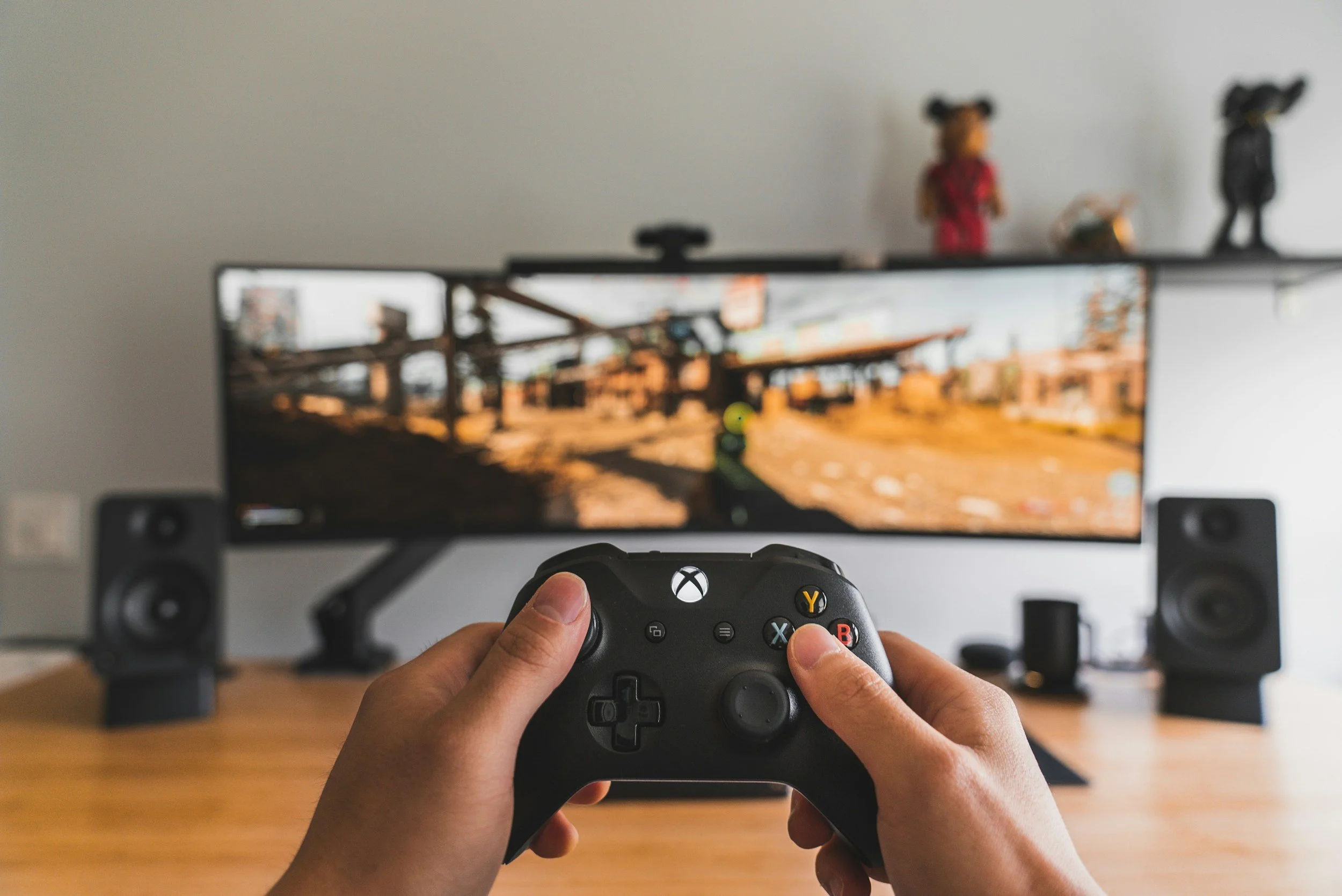
How Gaming Can Support Mental Health
For someone navigating high anxiety or low mood, structured virtual worlds offer things real life often lacks:
Predictability and control: Unlike messy real-world problems, games have clear rules, immediate feedback, and achievable goals.
Flow state: Deep focus gives an overactive, anxious brain a break from rumination and worry.
Low-pressure social connection: Co-op games and online communities allow people who struggle with social anxiety or physical isolation to build camaraderie and teamwork.
When Gaming Crosses Into Unhealthy Avoidance
Problems arise when gaming shifts from intentional rest to emotional numbing:

The "Dopamine Loop": When you are depressed, everyday tasks feel exhausting, while games provide steady, effortless hits of accomplishment. Over time, real life can start feeling duller by comparison.
Masking underlying distress: Logging six hours to avoid thinking about a stressful relationship, workplace burnout, or unresolved grief doesn't solve the problem—it simply pauses it while your nervous system stays depleted.
Sleep and physical rhythm disruption: Late-night sessions keep your brain hyper-alert, worsening both anxiety and depressive symptoms the next day.
3 Check-In Questions for a Healthy Relationship With Gaming
You don't need to give up gaming to protect your mental health. Instead, try checking in with yourself using three simple questions:
1. "Am I logging on to recharge, or to avoid?"
Notice your intention before you pick up the controller. Playing to unwind after a long day feels very different from playing because you don't want to face a difficult conversation or emotion.
2. "How do I feel 15 minutes after I log off?"
Pay attention to your body. Healthy play leaves you feeling entertained, connected, or relaxed. If you consistently log off feeling hollow, irritable, wired, or guilty, your nervous system may be overstimulated rather than rested.
3. "Is gaming supplementing my life, or replacing it?"
Gaming works best as one piece of a balanced routine alongside sleep, movement, responsibilities, and face-to-face connection. If virtual achievements are slowly replacing real-world relationships or self-care, it's a gentle signal to recalibrate.
Curiosity Over Shame
Whether you are diving into Vice City tonight or simply trying to understand a partner's gaming habits, shame rarely creates lasting change. Understanding what your brain is seeking—whether that's stress relief, community, or an escape from overwhelm—is the first step toward building healthier coping strategies.
If you or someone you love is struggling with anxiety, depression, or feeling stuck in cycles of avoidance, our therapists are here to help. Reach out today to schedule a consultation and explore practical, judgment-free support.